Texas Roadhouse Steak Cuts: Sirloin vs Ribeye vs Filet
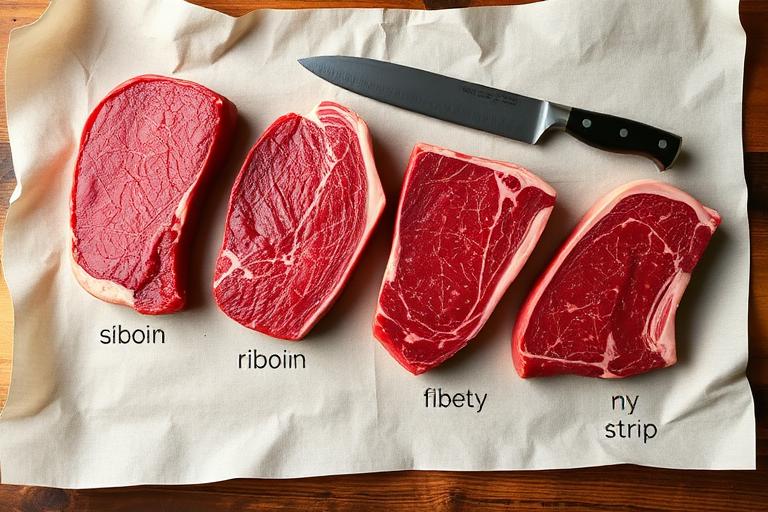
Every steak at Texas Roadhouse is hand-cut in-house from USDA Choice beef, so you're starting from a good place no matter what. The question is which cut suits you — because they're genuinely different, and the most expensive one isn't automatically the best one for your taste. Here's the plain-English breakdown, ordered roughly from leanest to richest.
The quick answer
Hand-Cut Sirloin — the value champion ($13–20)
Lean, juicy, and the most-ordered steak on the menu. Sirloin gives you real beef flavor without the fat content — or the price — of a ribeye. It comes in several sizes, so it scales to your appetite. Order it if: you want a satisfying steak dinner at the friendliest price, or you're saving room for sides and dessert. It's the cut we'd point a first-timer to.
Dallas Filet — the tender one ($18–28)
Cut from the tenderloin, the filet is the most tender steak on the board — lean, fine-grained, almost buttery in texture. It's lower in fat than the ribeye, so it's less about bold beefy flavor and more about that melt-in-your-mouth softness. Order it if: tenderness matters more to you than fat-driven flavor, or you find ribeye too rich. It comes in smaller sizes, which suits lighter appetites.
New York Strip — the balanced pick ($16–30)
The strip sits right between sirloin and ribeye: more tender and richer than sirloin, leaner and firmer than ribeye. It has a satisfying chew and a good char, with a band of fat along one edge that adds flavor. Order it if: you can't decide between value and richness and want the middle path. It's the classic steakhouse cut for a reason.
Ft. Worth Ribeye — the flavor king ($20–28)
This is the cut serious steak lovers order. Marbling — those threads of fat running through the meat — melts as it grills and bastes the steak from the inside, producing a rich, juicy, deeply beefy bite. It's the least lean option here, and that's the entire point. Order it if: flavor is everything and you don't mind the richness. The bone-in version ($28–34) goes even deeper.
Porterhouse T-Bone — two steaks in one ($28–34)
A T-bone separating a strip on one side and a filet on the other, at a Texas-sized 23oz. You get firm, beefy strip and tender filet in the same plate. Order it if: you're very hungry, you want variety, or you can't choose between strip and filet. It's the trophy order.
Prime Rib — the slow-roasted option ($18–28)
Ribeye, but slow-roasted for hours instead of grilled, which gives it a uniquely tender, evenly cooked character with a softer texture than a seared steak. Availability varies by day and location. Order it if: you love ribeye flavor but prefer a gentler, roasted preparation — and it happens to be available.
How to order it cooked
Texas Roadhouse's own meat cutters tend to recommend medium rare (warm red center) as the sweet spot for flavor and juiciness, and it's the most popular doneness for good reason — especially on the leaner cuts, which dry out faster the longer they cook.
| Doneness | Center | Best for |
|---|---|---|
| Rare | Cool red | Filet, ribeye |
| Medium Rare | Warm red | Most cuts — the sweet spot |
| Medium | Hot pink | Sirloin, strip |
| Medium Well | Slightly pink | If you prefer firmer |
| Well Done | No pink | Fattier cuts survive this best |
Every cut comes with two sides and unlimited rolls. See current price ranges on the full steak menu, and if you're watching macros, our nutrition guide has the calorie breakdown by cut.
Steak FAQ
What is the best steak at Texas Roadhouse?
It depends on what you value. The Hand-Cut Sirloin wins on price, the Ft. Worth Ribeye wins on flavor thanks to its marbling, and the Dallas Filet wins on tenderness. The New York Strip sits in the middle. There's no single best cut, just the best one for your taste.
What's the difference between sirloin and ribeye?
Sirloin is leaner, lower in fat, and more affordable, with a clean beefy taste. Ribeye is heavily marbled, so the fat melts as it grills and makes the meat richer and juicier. Sirloin is the value pick; ribeye is the flavor splurge. Both are hand-cut in-house from USDA Choice beef.
Which Texas Roadhouse steak is the most tender?
The Dallas Filet, cut from the tenderloin. It's the most tender steak on the menu, lean and almost buttery in texture, though it's less bold in flavor than the fattier ribeye. If softness matters more to you than rich beefy taste, the filet is the one to order.
How should I order my Texas Roadhouse steak cooked?
Medium rare, with a warm red center, is the most popular doneness and what the meat cutters tend to recommend. It keeps the steak juicy, especially on leaner cuts like sirloin and filet that dry out fast when overcooked. A well-marbled ribeye is more forgiving at higher doneness.
Are Texas Roadhouse steaks really hand-cut?
Yes. Every location has an in-house butcher who hand-cuts USDA Choice steaks fresh daily, and the steaks are never frozen. You can often see the meat-cutting case near the entrance. It's a big part of why the steak menu has the reputation it does.